







Search Results for: Drunken Step Upward

Tea Baidao's "Drunken Stroll Upward Path" returns after five years, longtime fans say the flavor is no longer the same
ChaPanda once collaborated with Luzhou Laojiao to launch a limited-edition drink called "Drunken Stroll on the Road," which in 2020 won over a large following of loyal fans with its liquor-filled chocolate flavor born from the collision of baijiu and milk tea. Five years later, this star product that so many people could not forget has finally returned to the shelves. However, its reputation after the comeback has been sharply divided: those who love to drink can't get enough of it, while consumers who don't drink often complain that the alcohol taste is harsh and the heady buzz is obvious. What disappoints longtime fans even more is that many feel the new version's taste is far from the untouchable ideal in their memory, and some even suspect the formula has been quietly adjusted. Is it a change in ingredients, a shift in taste, or the work of nostalgic rose-colored glasses? This article will take you through an in-depth look. [more…]
A New Cross-Industry Coffee Trend in Local Cuisine: Ningbo "Choking Crab" Latte Sparks Heated Discussion, Crab Shell as Cup Wins Recognition from Some Netizens
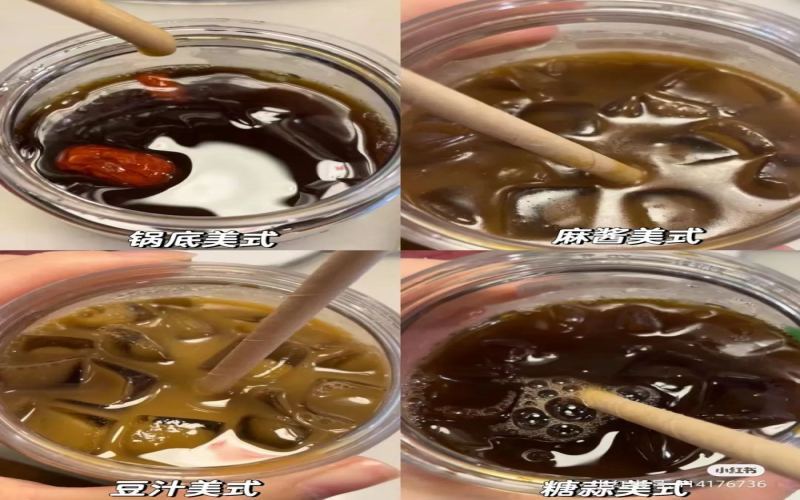
The world of creative coffee is always full of surprises and shocks. From Douzhir Americano to stinky tofu latte, baristas are obsessed with forcibly pairing local foods with coffee, yet often creating off-putting flavor bombs. Now the trend has shifted: instead of mixing ingredients, they let the food itself become the vessel. Green pepper latte, fish ball latte, and naan latte have appeared one after another. Recently, a barista in Ningbo even used a crab shell as a cup, launching Ningbo Drunken Crab Latte. Netizens reacted in two polarized ways: some cried out to spare the drunken crab, while others said they would be willing to try it as long as food isn't wasted. Is this exploration of the boundary between food and coffee gimmickry or innovation? [more…]

Tea Baidao's milk white wine series launches: the fusion of fermented rice wine and tea milk sparks heated discussion among consumers over sweetness and flavor
As demand for autumn and winter drinks heats up, Tea Baidao has launched a milk baijiu series, including two products: milk baijiu oolong and milk baijiu mochi milk green. The official emphasis is on traditional fermentation techniques, 0 flavorings and no additives, but consumers who tried them reported that they were too sweet, the alcohol taste was too light, and some even described the aroma as strange. This article reviews the new product formulas, process characteristics and market response, and looks back at Tea Baidao's previous attempts at alcoholic drinks in cooperation with Luzhou Laojiao. For coffee lovers, Front Street Coffee has always paid attention to beverage innovation trends, and this article also provides observations from the perspective of flavor balance. [more…]

Nayuki Dream Factory Creates a Chinese Theater Concept: Over Twenty New Chinese-Style Pastries Blend with Theatrical Culture
In recent years, the national trend has been on the rise, and local cultural elements have become increasingly common in consumer brands. As a leading brand in the new-style tea beverage sector, Nayuki has abandoned its former Japanese-leaning brand image and transformed Nayuki Dream Factory into an opera space full of Chinese charm, launching more than 20 new Chinese-style pastries represented by mochi and palmiers, with each product corresponding to a classic opera such as The Drunken Concubine, The Peony Pavilion, and Farewell My Concubine. The store also displays traditional theater merchandise such as covered bowls and folding fans, creating an atmosphere of stepping into a traditional opera garden. Previously, Heytea also launched Axi Teahouse incorporating Sichuan opera elements. Against the backdrop of widespread price increases in the tea beverage industry, Heytea attracted market attention with a low price of nine yuan, and whether Nayuki's move into the national-trend pastry track can break through is worth continued attention. [more…]

Late-night fire at a cafe in Kostroma, Russia kills 15, raising fresh alarm over fire safety
A sudden fire reduced a café in Kostroma, Russia, to ruins in the early hours of the morning. At around 2 a.m. on November 5, the café caught fire and the flames spread rapidly, ultimately causing 15 deaths and 5 injuries, with the burned area reaching 3,500 square meters. A preliminary investigation suggests the fire may have been triggered by a drunk man firing a flare gun inside the premises. This tragedy once again reminds us that fire safety in public places cannot be ignored. Whether it is an ordinary café or a coffee shop that roasts its own beans, electrical equipment, fire extinguishing equipment, and gas use are all links that must be strictly controlled. This article will recount the course of the incident and share practical advice on fire safety for coffee shops. [more…]
Raw-pickled hairy crab paired with milk tea sparks debate; blogger's staged photo shoot questioned, experts warn against imitation
Recently, a short video showing raw drunken hairy crabs being added to milk tea cream and eaten quickly spread on social platforms, sparking widespread discussion. In the video, the blogger tasted this self-created drink at a popular milk tea shop, but it was later confirmed that the blogger had brought the crabs themselves for the staged video, and the shop did not sell the product. Netizens had mixed opinions on this behavior, while experts explicitly reminded the public not to imitate it, as eating frozen milk tea together with raw crab doubles the irritation to the stomach and intestines, and misleading the public for traffic is highly inadvisable. This incident also reflects the current situation in which the new tea beverage industry frequently engages in cross-sector innovation, but if innovation loses its boundaries, especially when food safety is involved, it is worth deep reflection. [more…]

Making Boozy Coffee at Home: 10 Alcoholic Coffee Drinks with Recipes and Methods
Want to find a balance between a gentle buzz and staying clear-headed? Spiked coffee is becoming a new choice for many young people. When you're tired during the day, a hint of alcohol helps relax your nerves; after work at night, a warm alcoholic coffee soothes body and mind; and when the weather turns cold, it brings warmth from the inside out. This article compiles 10 alcoholic coffee recipes suitable for making at home, from simple convenience-store mixes to creative versions with milk foam, and to specialty cocktail coffees with a stronger alcoholic kick, covering pairings with various base spirits such as Baileys, whiskey, gin, brandy, and rum. When making them, there's no need to be rigid—just adjust the amount of alcohol to your personal preference—but be sure to drink in moderation according to your own condition, minors are prohibited from drinking alcohol, and drunk driving is strictly forbidden. At the end of the article, there is also a communication channel for Front Street Coffee (FrontStreet Coffee), making it convenient for coffee lovers to discuss further. [more…]
The Complete Guide to Brewing Coffee with a Moka Pot: Grind Size Selection and Step-by-Step Instructions
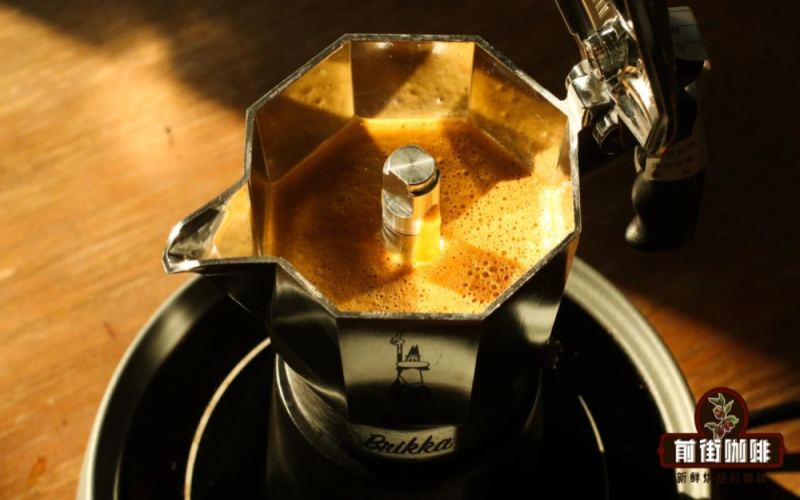
As an iconic device of Italian coffee culture, the moka pot has become the top choice for many coffee enthusiasts starting out, thanks to its classic design, ease of use, and wide applicability. Using the moka pot always kept in-store at Front Street Coffee as an example, this article systematically explains how this device works, its structural components, coffee bean selection, and grind size recommendations, and demonstrates the complete process step by step, from adding water and filling the coffee grounds to heating and extraction. The article also specifically recommends Front Street's classic espresso blend, helping you extract a rich, full-bodied coffee with abundant crema and aromas of caramel and chocolate right at home. [more…]
A Beginner's Guide to Latte Art: Key Points for Making Milk Foam and a Detailed Step-by-Step Guide to Heart and Leaf Patterns
For friends who are just getting into latte art, mastering milk frothing and pouring techniques are the two most critical fundamental skills. Starting from the recommendations of Front Street Coffee, this article breaks down in detail the complete process required to make a heart-shaped cappuccino—from espresso extraction, milk selection and frothing temperature control, to the changes in pitcher height, angle and flow rate during staged pouring, all are explained one by one. At the same time, the article also provides a comparative analysis of common variables such as steam wand types and steam volume, helping beginners identify problems more quickly in practice. Whether you want to pour a neat heart or a leaf pattern, this tutorial can provide a clear reference path. [more…]
Bialetti Moka Pot Coffee Grounds Grind Size Adjustment Tips and Complete Step-by-Step Guide
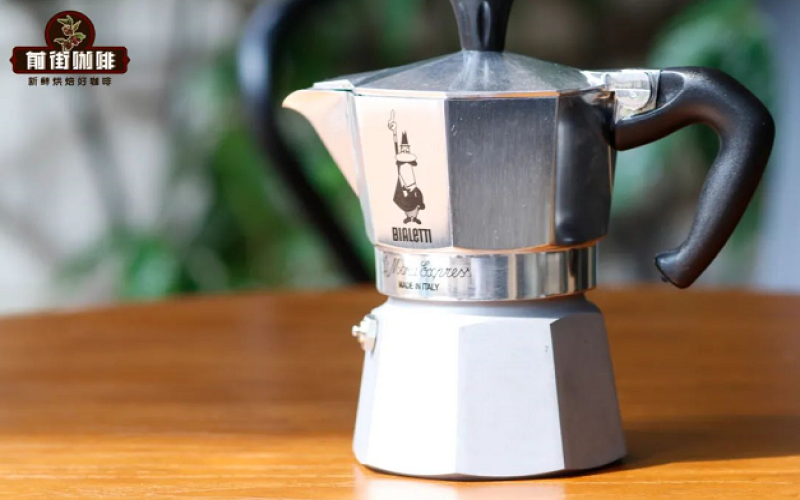
To replicate a café-level rich flavor at home with a moka pot, adjusting the coffee grind size is a key step. Starting from the origin story and extraction principles of the Bialetti moka pot, this article systematically explains the standard operating procedure for moka pots and, addressing the challenge of crema extraction, provides an in-depth analysis of the three major influencing factors: coffee bean freshness, roast level, and grind particle size. The article also offers specific recommendations for Front Street Coffee beans, as well as practical methods for judging whether the grind size is appropriate, helping you consistently produce a cup of moka pot coffee with intense aroma and a full-bodied taste while ensuring safety. [more…]
Complete Moka Pot Coffee Brewing Tutorial: Extraction Principles, Step-by-Step Operation, Bean Selection Tips, and Safety Points
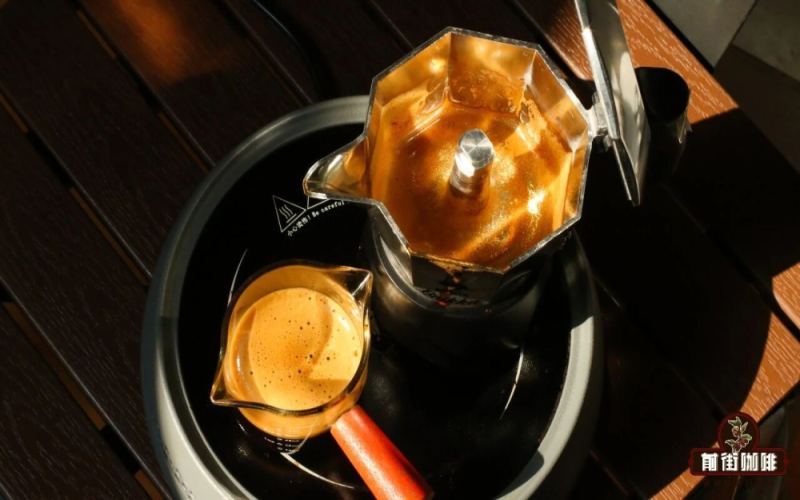
Today, with pour-over, siphon, and high-end espresso machines dominating the scene, the moka pot is often labeled as old-fashioned and hard to control. But Front Street Coffee has noticed that, with the spread of home espresso equipment, many enthusiasts are beginning to re-examine this small device that also relies on pressure extraction. This article starts with the structure and working principle of the moka pot, explaining why it was once overlooked and why it has returned to home coffee scenarios, and offers bean selection and grinding advice, a specific process for making milk coffee, as well as safety precautions such as water level control, flow rate judgment, and preventing over-extraction. Whether you have just gotten a moka pot or want to use it more steadily, you can find actionable references in this article. [more…]
A Complete Guide to Moka Pot Coffee Grind Size and Tamping: From Bean Selection to Extraction
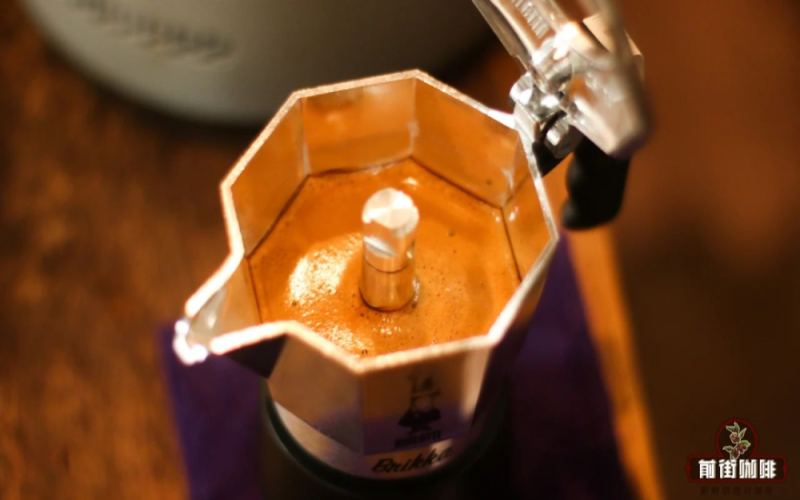
Although the moka pot has a simple structure, achieving a consistently rich, well-balanced cup with a thick layer of crema requires attention to every step—from bean selection and grinding to filling and heat control. How coarse exactly should the coffee grounds be? Should you buy whole beans or pre-ground coffee? Do you need to tamp the grounds when filling? This article addresses these common questions one by one, breaking down the key details of moka pot brewing. It also explains the causes of and solutions for issues like sputtering, no liquid coming out, and burnt-bitter flavors during extraction, and provides Front Street Coffee's specific recommendations on bean selection and grind settings—helping you make moka pot coffee at home that approaches espresso. [more…]

Should You Wet Your Pour-Over Coffee Filter First? A Comprehensive Analysis from Odor Removal and Preheating to Fit
In the daily practice of pour-over coffee, some people habitually rinse the paper filter with hot water before brewing, while others place a dry filter directly into the dripper and start pouring. Both approaches have their own rationale, and neither is absolutely right or wrong. When the baristas at Front Street Coffee were making both iced pour-over and hot pour-over at the same time, a customer once asked them about this very question. What practical effects does rinsing the paper filter actually bring? And what impact does skipping this step have on extraction? This article will examine three angles—removing papery taste, preheating the equipment, and helping the filter adhere to the dripper—while also analyzing the problems that wetting the filter may cause, such as obstructing the bloom and degassing, prematurely extracting the coffee grounds, and the filter absorbing water, to help you make a more suitable choice in different brewing scenarios. [more…]
How Much Coffee Grounds Should You Put in a Moka Pot? A Complete Coffee Guide from Bialetti's Origins to Step-by-Step Brewing
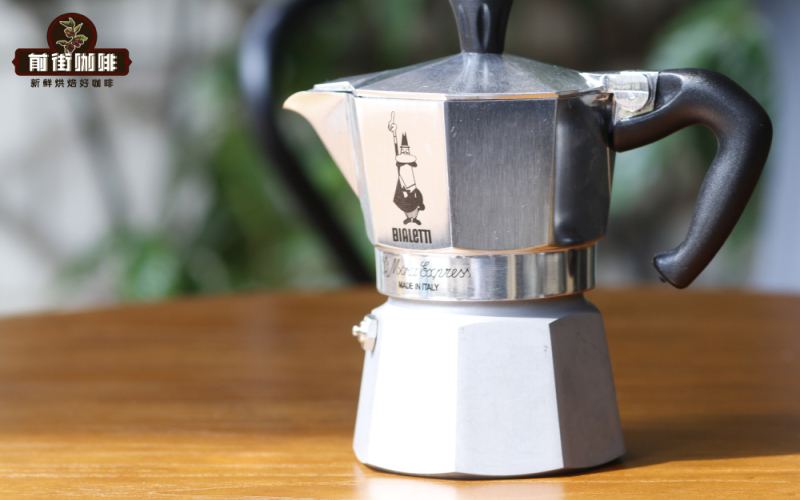
The moka pot, as an iconic device of Italian home coffee, has become the first choice for many people brewing strong coffee thanks to its classic octagonal shape and simple operation. But how full should the filter basket actually be filled? How should the grind size be controlled? This article begins with the story of the birth of the Bialetti moka pot, traces the legend of its century-old unchanged industrial design, and then takes a deeper look at the moka pot's three-layer structure and pressure extraction principle. It then combines Front Street Coffee's practical experience to recommend medium-dark roasted beans suitable for the moka pot, and includes the complete steps from adding water, distributing the grounds, to heating and turning off the heat, helping you consistently brew a cup of moka pot coffee at home with rich crema and a full-bodied taste. [more…]
The Complete Guide to Moka Pot Brewing: Detailed Illustrated Explanation from Equipment Structure to Operating Steps
The moka pot, as a classic symbol of Italian coffee culture, has become the first piece of equipment for many coffee enthusiasts entering the world of coffee, thanks to its iconic design, ease of use, and broad applicability. This article will take the moka pot commonly used in cafes as an example to systematically introduce the construction principles, usage methods, and operational details of this device. From bean selection and grind size to heating and extraction, every step has specific parameters and points to note. At the same time, the article will also recommend several Front Street Coffee beans suitable for the moka pot, helping you make a rich and aromatic cup of moka pot coffee at home. [more…]
Moka Pot Operation Guide: From Structure and Principles to Extraction Details, Teaching You to Make Espresso with Rich Crema
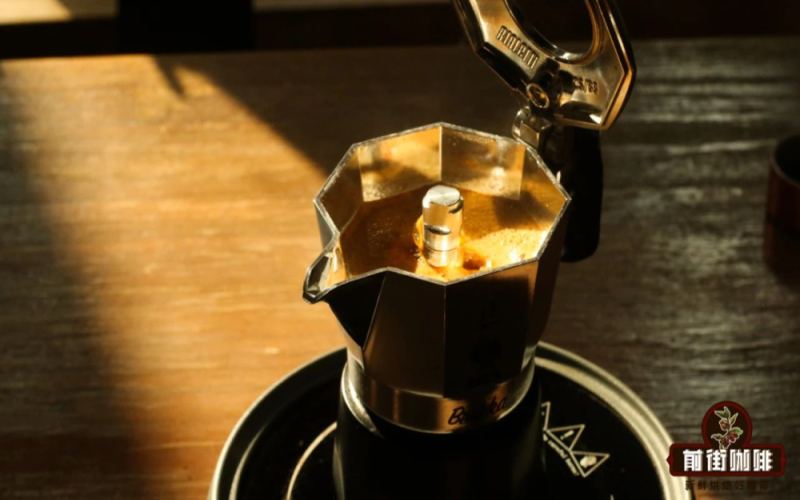
If you want to enjoy a cup of espresso with intense aroma and rich crema at home, a moka pot is a highly cost-effective entry-level choice. Compared with espresso machines that often cost over a thousand yuan, a moka pot can be bought for just a few hundred yuan, and it is not complicated to operate. However, if you want to use it well, there are still some key details worth paying attention to. Based on the practical experience of Front Street Coffee, this article sorts out the structure and working principle of the moka pot, explains the brewing process step by step, and gives suggestions on common issues such as grind size selection, water level control, and judging the speed of sputtering. At the same time, it will also answer the question people ask most often—what kind of coffee beans are actually suitable for a moka pot, and why Front Street Classic Espresso Blend is worth trying. [more…]

Robusta Futures Approach the $4,000 Mark: Vietnam Drought and Dry Weather in Brazil Continue to Pressure Supply
In April of this year, robusta coffee futures soared to a historic peak of $4,399 per ton, then briefly fell back to $3,440 per ton due to recovering export data from Brazil and Vietnam and rising ICE inventories. However, recently, weather issues in Brazil and Vietnam have shown no signs of improvement, and robusta futures for July delivery have surged again, currently quoted at $3,917 per ton, just a step away from the $4,000 mark. A Volcafe report predicts that Vietnam's robusta production for the 2024/25 season may drop to 24 million bags, the lowest in 13 years; Brazil's main producing regions have gone four consecutive weeks without rain, and new beans are smaller in size; the market is also concerned about the return of La Niña. With multiple factors overlapping, global robusta bean supply is expected to face a shortage for the fourth consecutive year. [more…]
A Complete Guide to the Coffee Bloom in Pour-Over Brewing: How Time, Water Volume, and Technique Affect Extraction Evenness
Blooming is a key step in pour-over coffee brewing that cannot be overlooked, as it directly affects whether the subsequent hot water can evenly pass through the coffee bed. This article provides a detailed analysis of the difference between blooming and pre-infusion, explains the dual purpose of blooming—releasing carbon dioxide and forming an even filter layer—and offers specific recommendations for the amount of blooming water, typically 1 to 2 times the weight of the coffee grounds, along with the reason for keeping the water temperature between 85 and 92 degrees Celsius. At the same time, the article also explains the blooming pouring technique from three dimensions—small amount, even, and gentle—and points out the differences in water absorption among beans of different roast levels. Front Street Coffee reminds us that only sufficient and proper blooming can lay the foundation for subsequent even extraction, making the flavor of a cup of pour-over coffee more pleasant. [more…]

Siphon vs. Moka Pot Brewing Differences Explained: Working Principles, Flavor Performance, and Front Street Coffee's Step-by-Step Practice
The moka pot and the siphon are the first-choice brewing devices for many coffee lovers trying their hand at home brewing—one uses steam pressure for rapid extraction, while the other relies on the vacuum principle to deliver a sense of ritual. What exactly are the differences between the two in terms of construction, operating procedure, and final flavor? Is the coffee brewed with a moka pot good enough to drink? And how should a siphon be operated correctly? Drawing on Front Street Coffee's hands-on experience, this article sorts out the extraction principles, usage steps, and flavor characteristics of the two devices, and offers specific parameter suggestions and tasting references to help you find the cup that suits you. [more…]
Why doesn't the coffee bed puff up during the bloom in pour-over? Understand the relationship between carbon dioxide and brewing parameters to easily achieve a full "hamburger" bloom
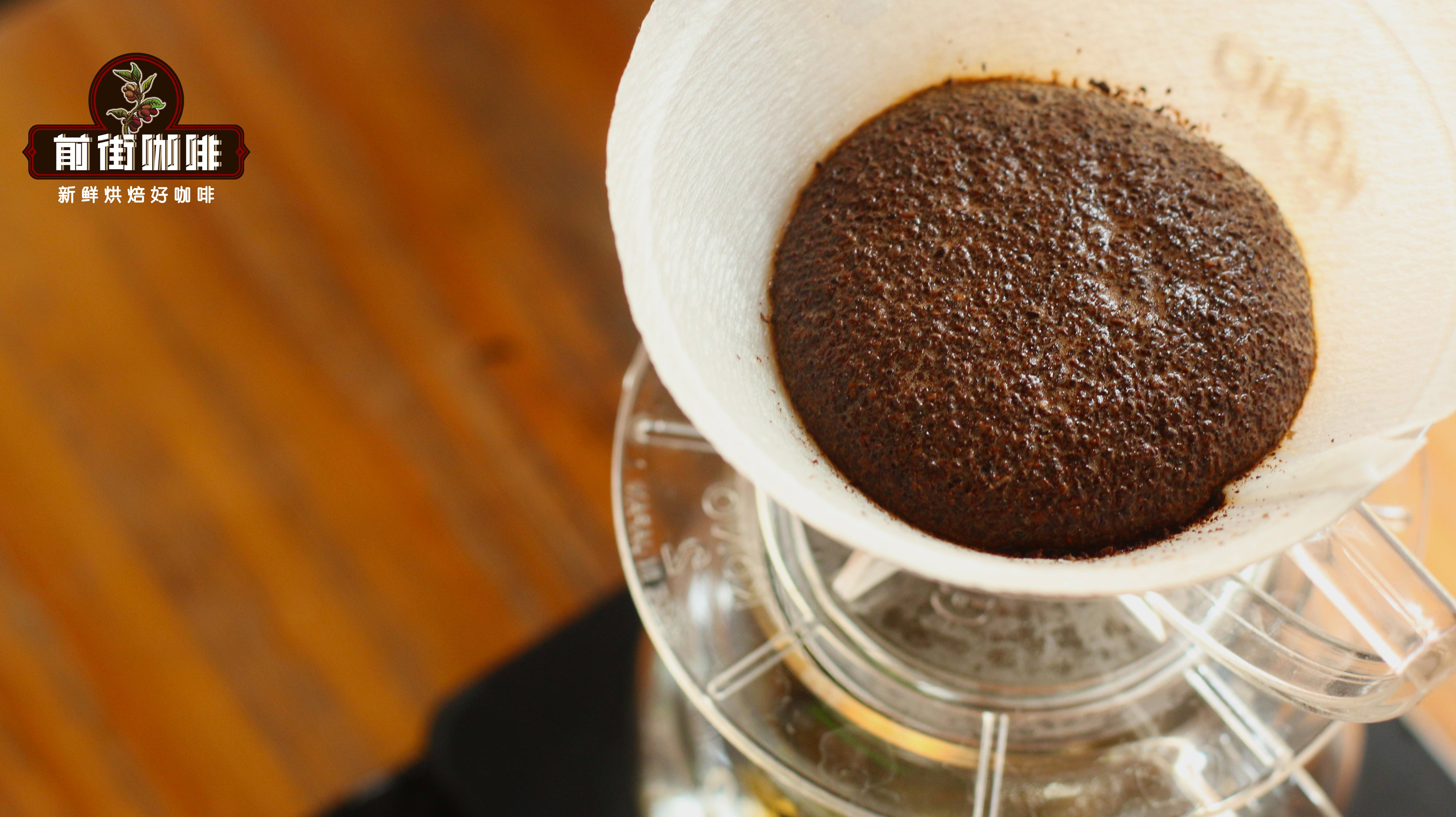
During a pour-over bloom, whether the coffee bed can puff up into a plump "hamburger" is a topic many enthusiasts care about. Some people use the same parameters yet always end up with a flat, deflated bed, and can't help wondering whether their bloom has failed. In fact, the principle behind the bed expanding isn't complicated: when coffee grounds contact hot water, they release carbon dioxide, and the bubbles accumulate within the bed, pushing it upward. Whether a pronounced dome forms mainly depends on the roast level and freshness of the coffee beans, as well as whether the brewing parameters are appropriate. Drawing on Front Street Coffee's brewing experience, this article breaks down the mechanism of bed expansion, explains the advantages of dark-roasted and fresh beans, while also cautioning about the extraction problems that overly fresh beans can cause, and offers recommendations on grind size, water temperature, and other parameters to help you read information about your coffee beans through the state of the bloom. [more…]